
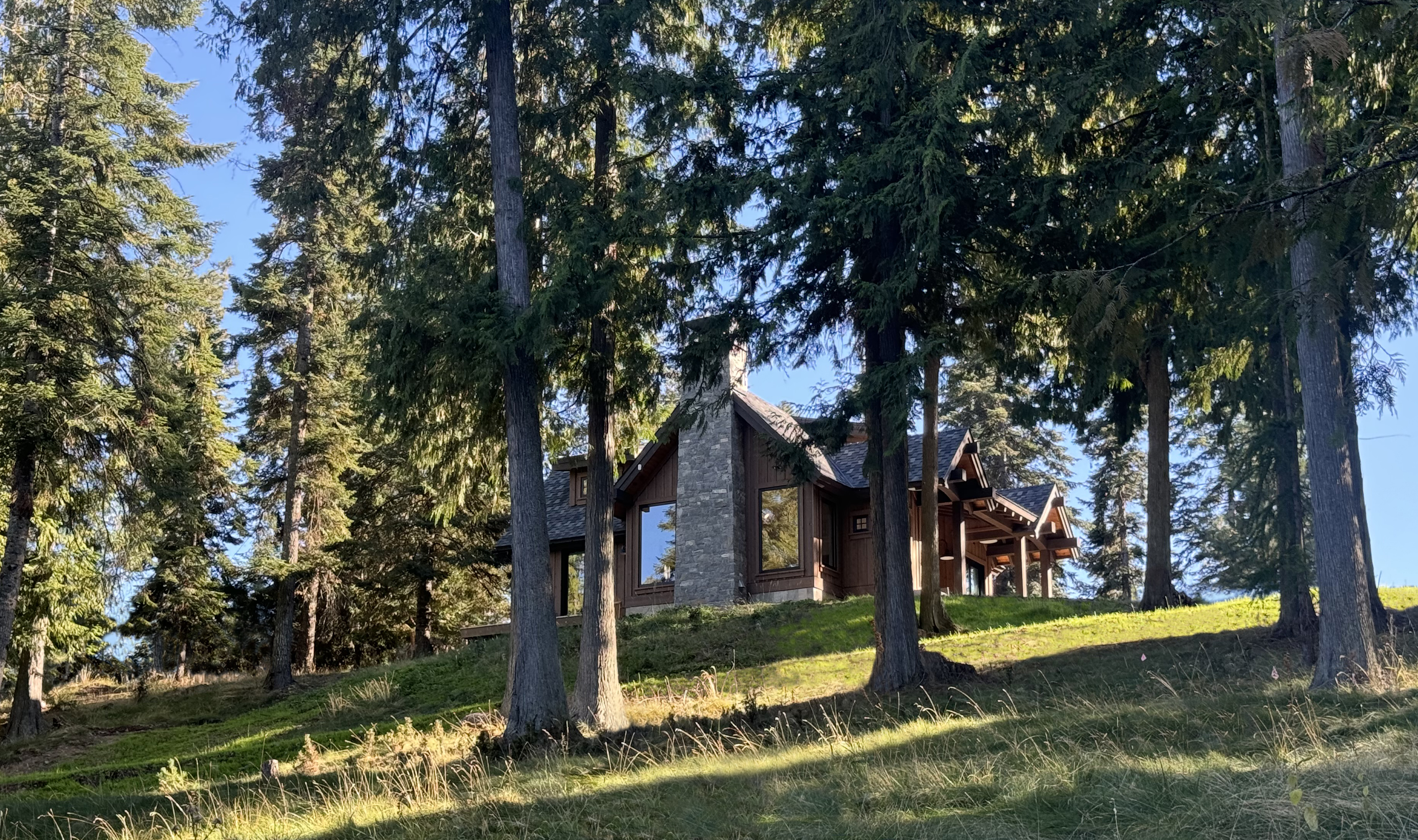
esigning a residence in the mountains is a unique architectural challenge that combines aesthetics, functionality, and environmental sensitivity. Architects must carefully balance the desires of homeowners with the demands of rugged terrain, climate, and local regulations. The process involves several critical steps to ensure that the home not only blends with its surroundings but also provides comfort and safety for its occupants.
Designing a home is a very collaborative process. Typically, we’ll meet with the homeowners either in person, over the phone, by email, or on one of the video meeting platforms. We also provide the owners with an in-depth questionnaire to fill out, which helps them communicate what they want in the house and on their property.
Site Analysis and Selection
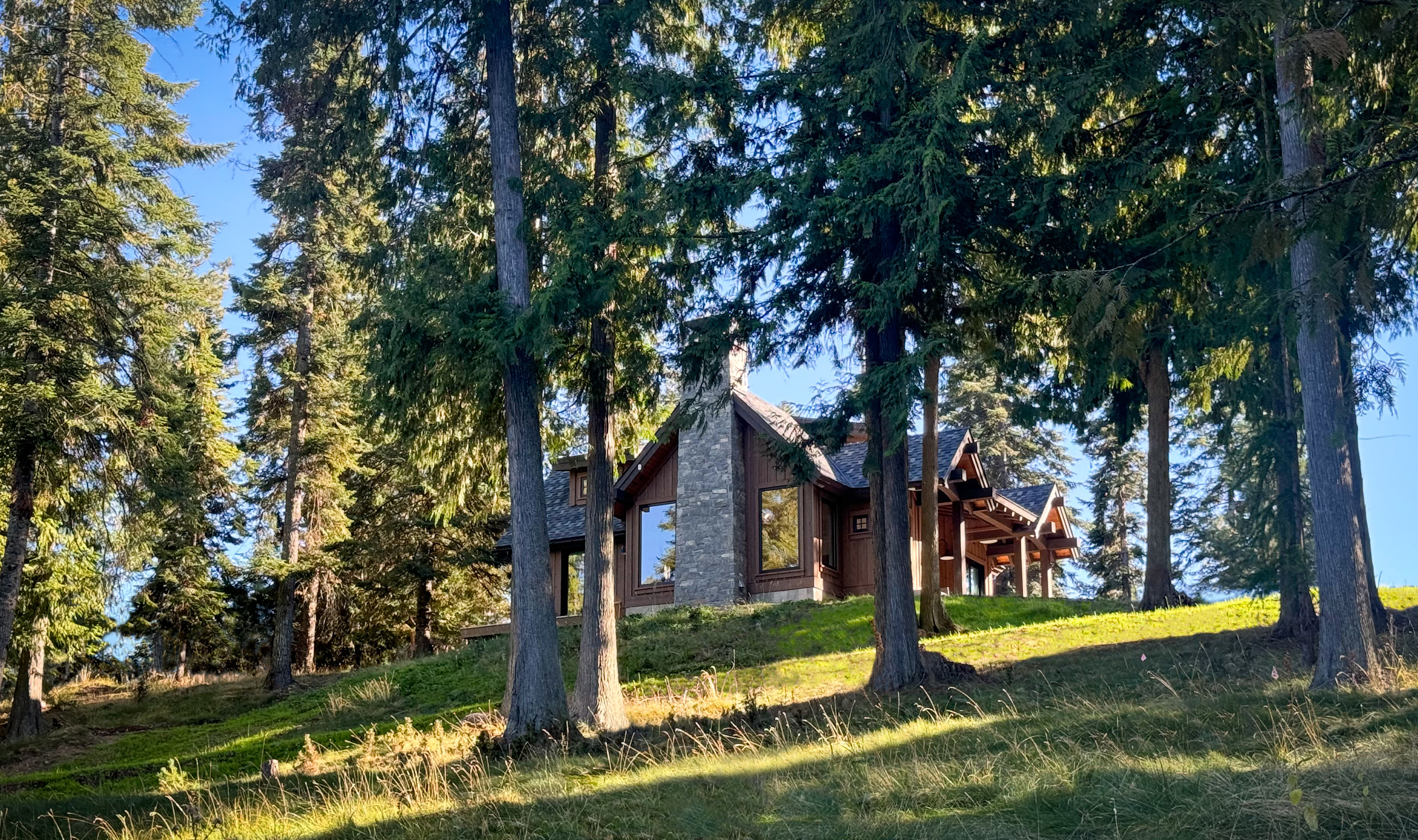
One of the first things we do in designing a custom home, whether it's here in North Idaho or eleswhere, is a thorough site analysis. This includes studying the topography, soil conditions, vegetation, privacy, water sources, sunlight and views. Whether the building site is thousands of miles away, or just down the street, we’ll engage with a surveyor and have them do a topographic survey. A survey will show us a map with contours, trees, rocks and other elements on the building site that we’ll need to be aware of, whether we need to avoid them or integrate them into the design.
Mountain sites often have steep slopes, which also can influence the placement and orientation of the home. With our site visit and the topographic survey, we can help determine the best spot for the home.
Integrating the Home with the Exterior Landscape
A hallmark of mountain architecture is harmony with nature. Architects strive to design homes that complement the landscape rather than dominate it. This can involve using natural materials such as stone and wood, selecting colors that blend with the surroundings, and minimize disruption to existing vegetation. Terraced foundations or stepped designs may also be used to adapt to sloping land.
Understanding Climate and Environmental Factors
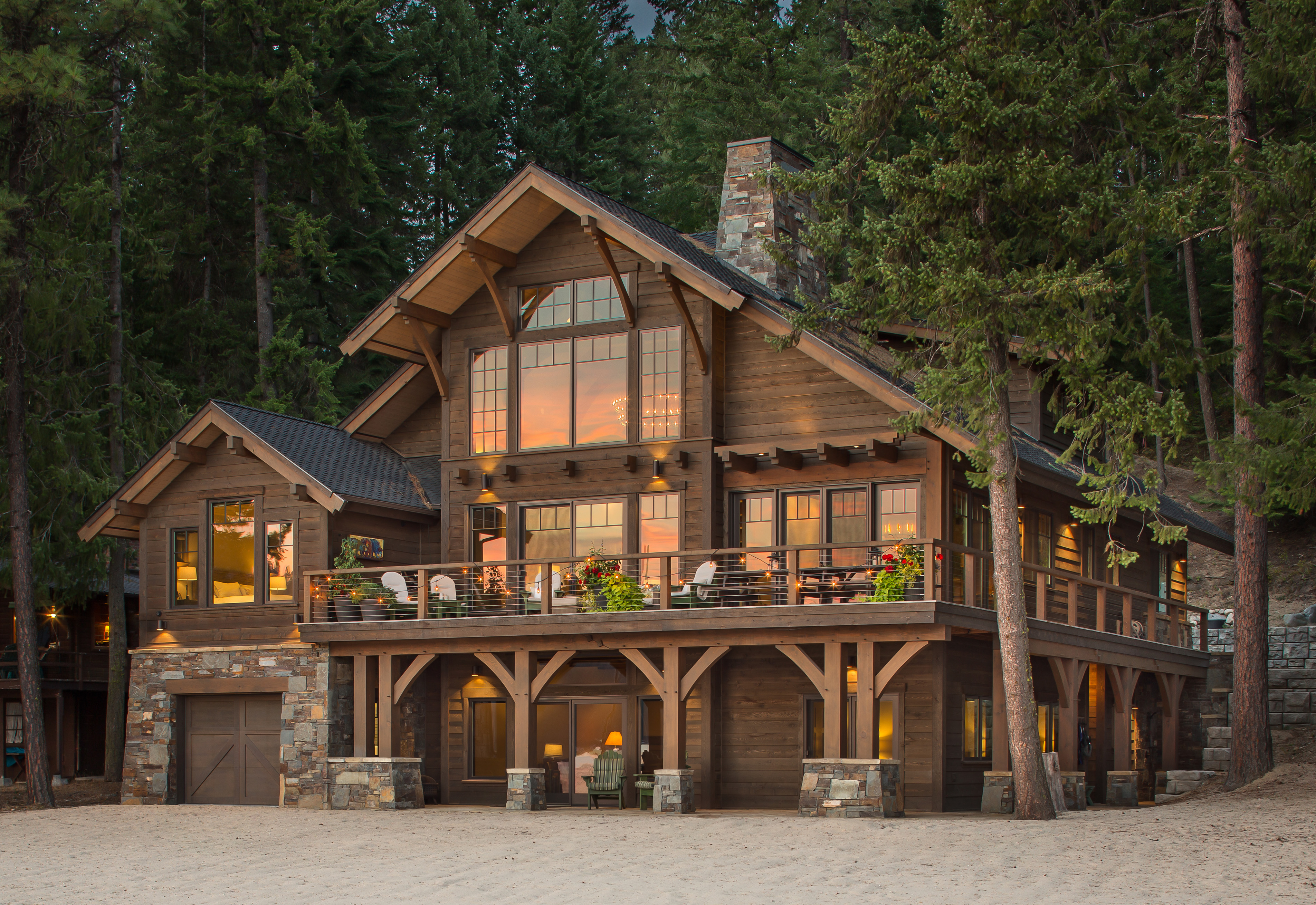
Mountain climates can be harsh, with cold temperatures, heavy snowfall, and strong winds. Architects must design homes that withstand these conditions. This also means using durable materials, incorporating robust insulation, and planning for efficient heating systems. Orientation is key, as positioning the home to capture sunlight can help with passive heating and reduce energy costs. Architects also consider prevailing winds, and potential hazards such as landslides and avalanches.
Putting a Plan Together
Between our meeting, the topographic survey, and the questionnaire, we’ll have a good head start working through the design process. We’ll also work with the client to understand their lifestyle, preferences and requirements, including the number of bedrooms, bathrooms, possible mudrooms for outdoor gear, as well as outdoor living areas, among other spaces. Because each client brings a distinct vision and way of living, every home we design is inherently unique; shaped as much by the land and views as the people who live in them.
With all of those things in mind, we’ll put together basic bubble diagrams showing a rough layout of the home. We’ll then send those to the homeowners to get their thoughts, and we can then make any changes as needed.
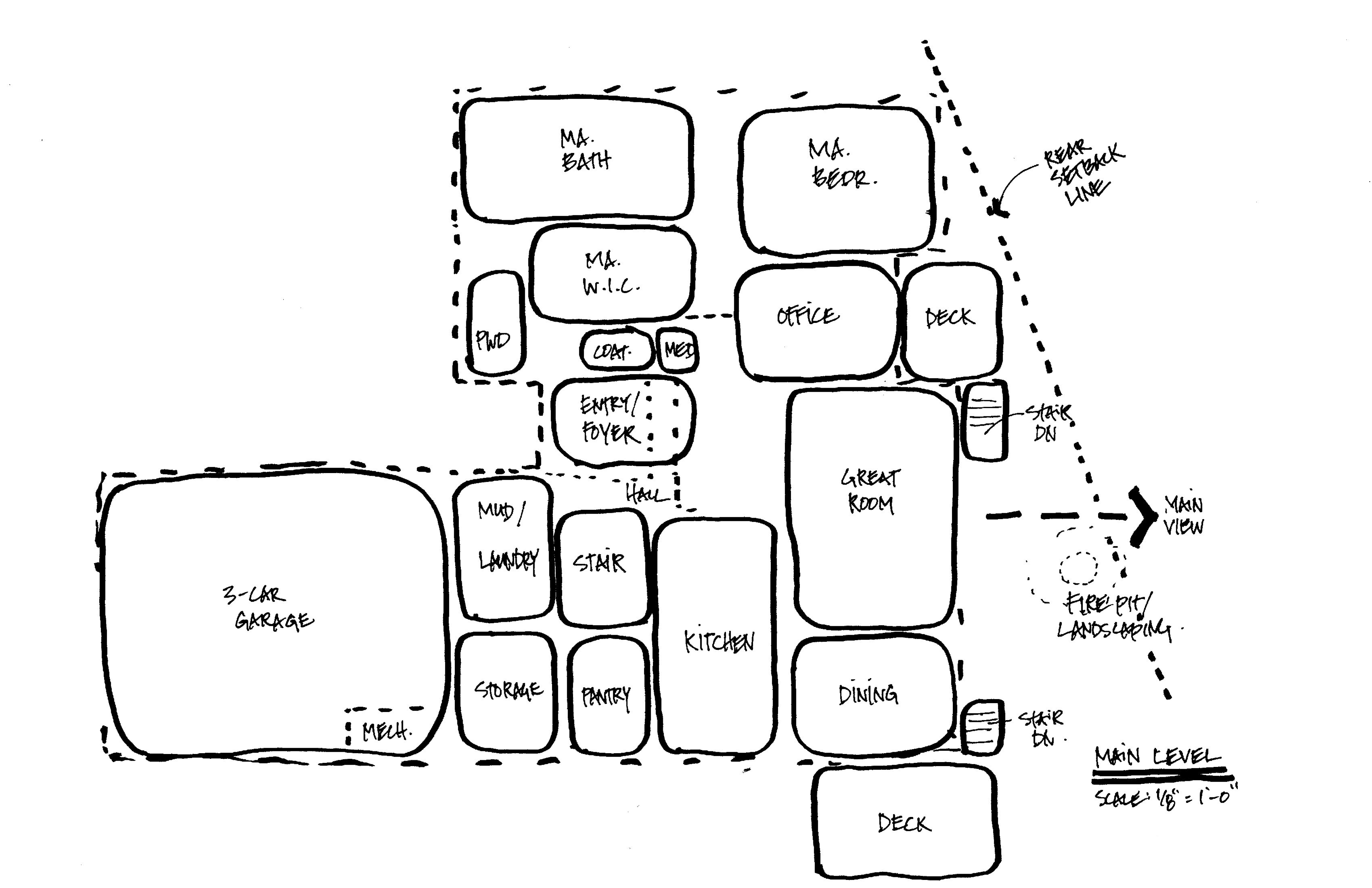
Once we have the rooms and spaces in their preferred locations, we’ll then start on the floor plans. I like to work on elevations at the same time. Elevations represent the exterior views of a home's walls. Too often floor plans are developed first and then the elevations are forced to "work" afterward. If the floorplans aren’t designed at the same time as the elevations, then there could be a chance that you’ll have a functional house on the inside, but the exterior of the house may look like an unattractive afterthought. The goal is to have the interiors and exteriors complement each other.
Maximizing Views and Natural Light
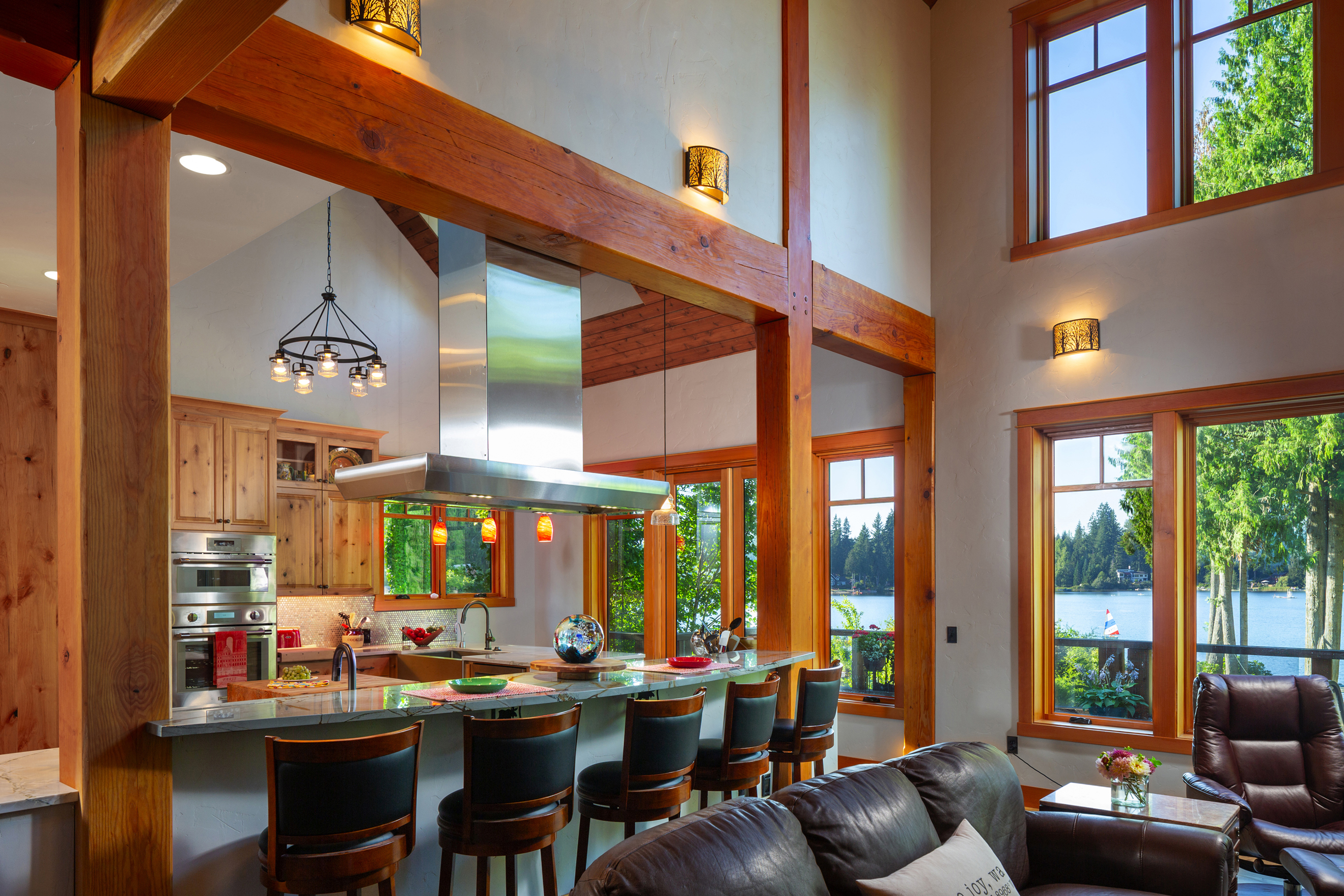
One of the greatest appeals of a mountain home is the spectacular views. Architects often design large windows, balconies, or decks to bring the outdoors in. The layout is carefully planned to ensure living spaces take advantage of vistas while maintaining privacy and energy efficiency.
Stone or Metal Skirts to Protect the Siding
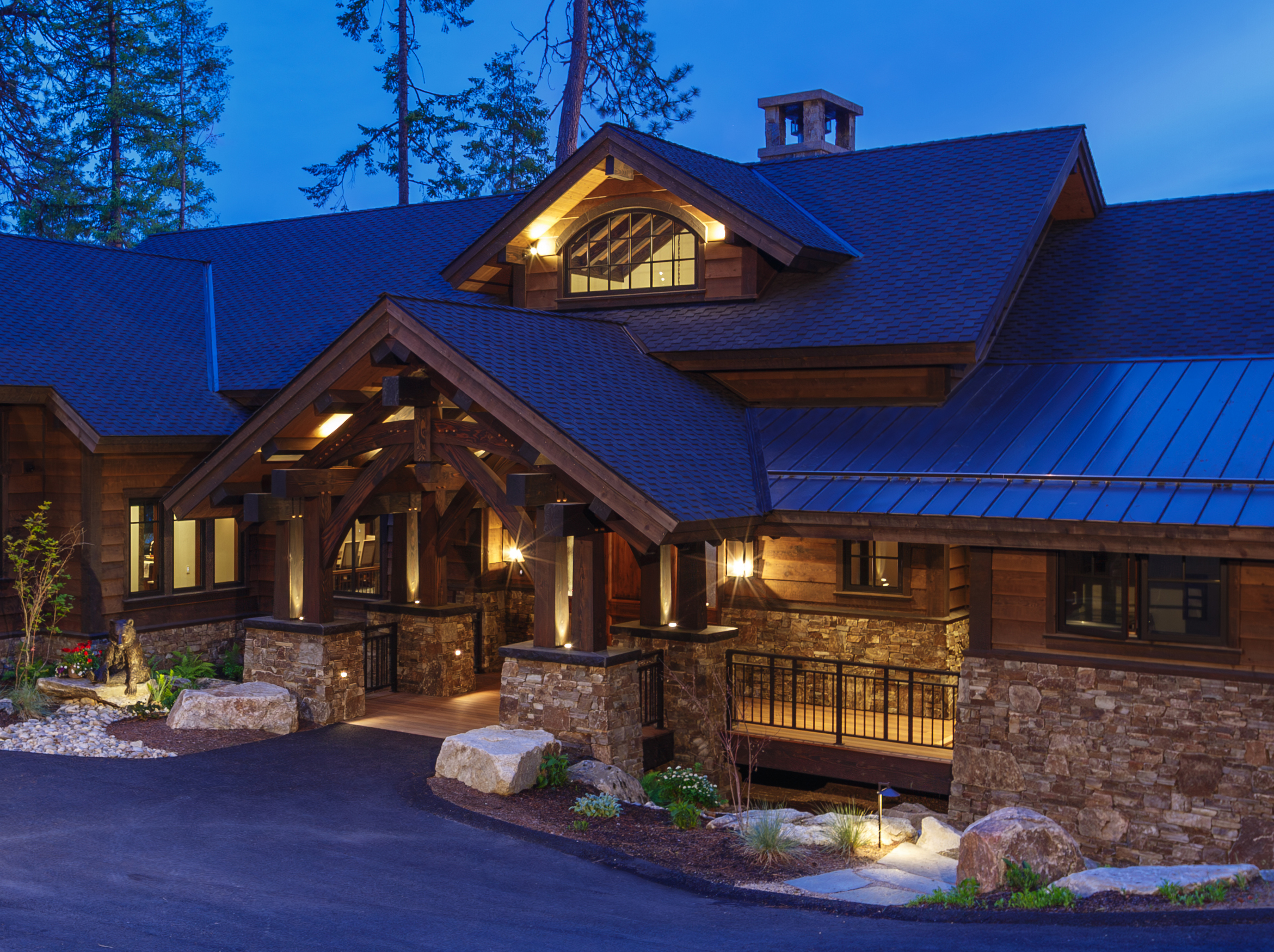
We also like to design a stone skirt around the house. This is done not only for aesthetic reasons, but also to prevent discoloration of wood siding caused by roof runoff and water exposure. Stone forms the home's structural foundation, creating a strong well grounded base. Skirt height and material don't need to be uniform as both stone and corrugated metal are both appropriate options alone or even combined.
Varying Topography
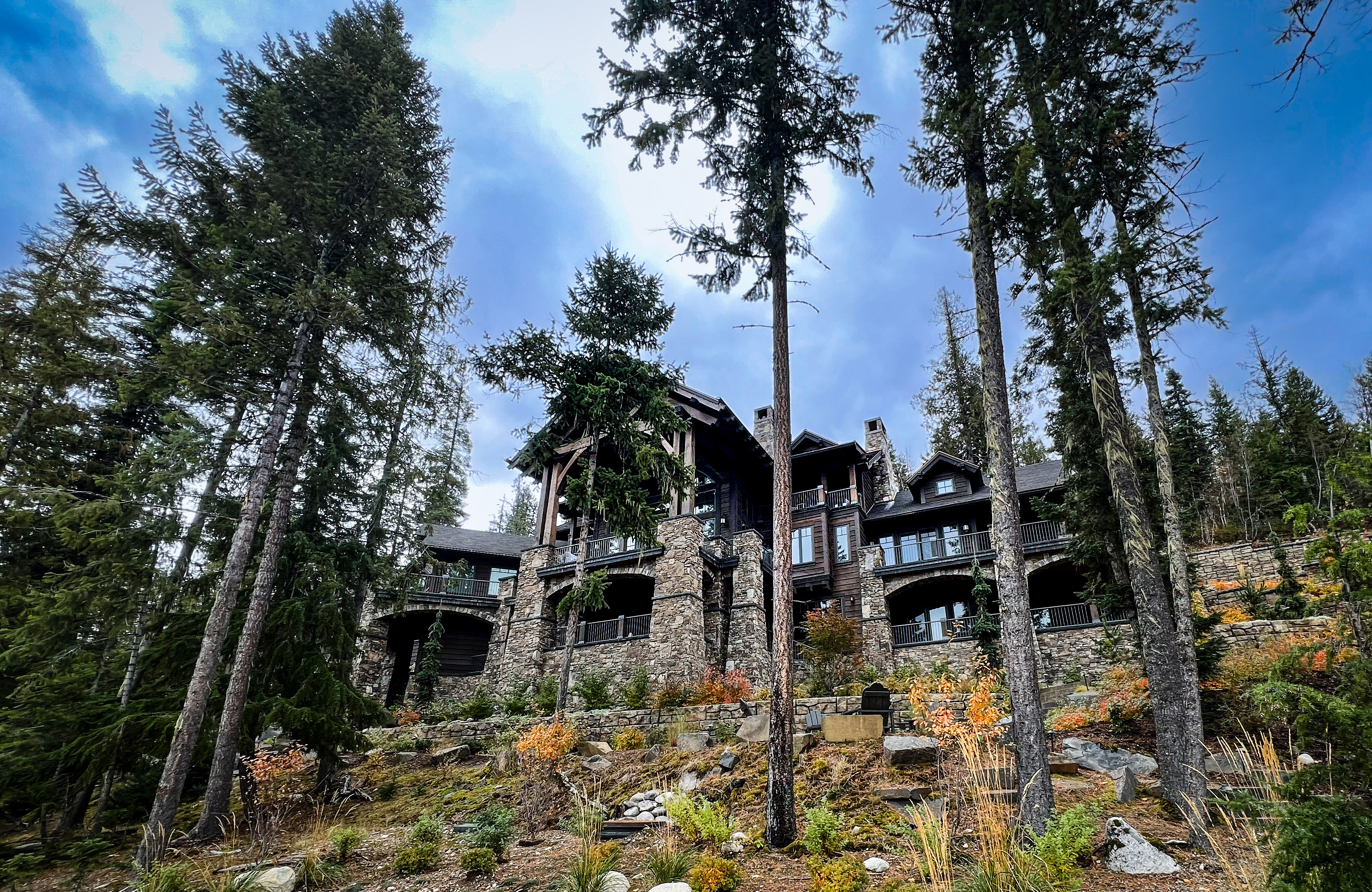
When designing a home on varied topography, your building site may have a slope to it. If there’s a good slope and the downslope is facing the best views, then you could have a one level house with a raised deck facing the view or have a daylight basement below. With a daylight basement, you could have a main level and a lower level facing the views. Working with the site, instead of against the site, helps the home look more natural and grounded.
Large Windows and Fireplaces
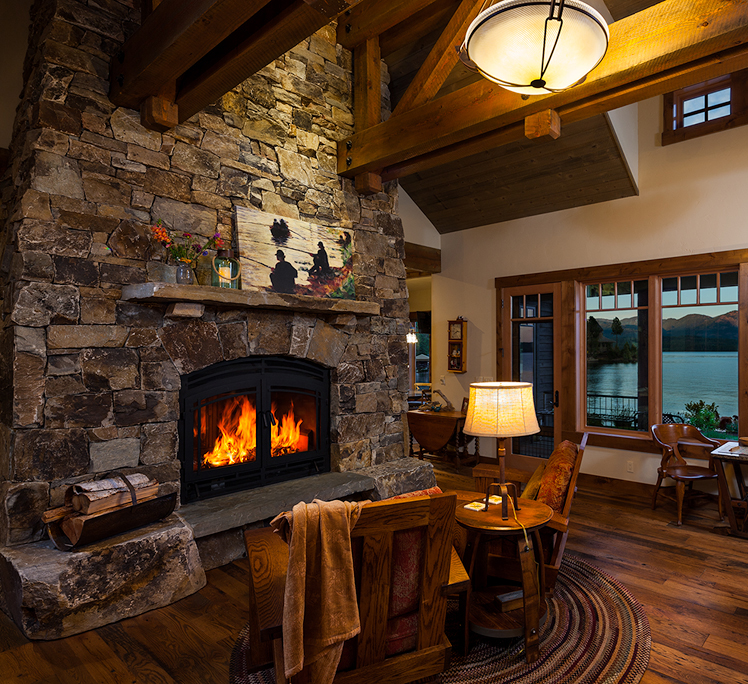
In the mountains, it’s almost a given that our clients want large windows to capture the views and bring the outside in, as well as have fireplaces for warmth and ambience. We’ve designed a lot of fireplaces, and they are all unique and cater to the owners’ individual tastes.
A Strong Structure
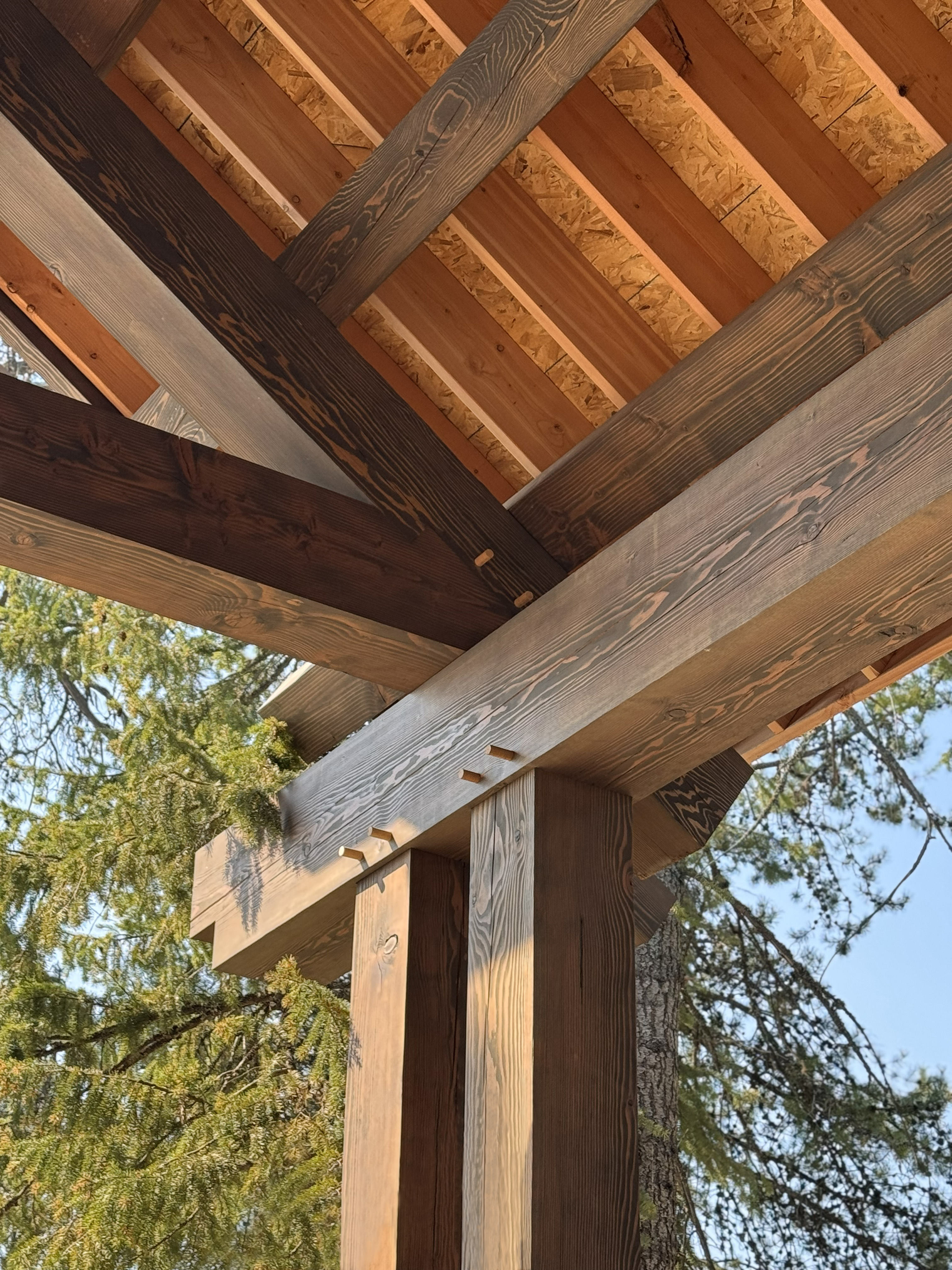
One of the main things about designing a home in the mountains is that you need to respect the winter snow load. If you have thousands of pounds of snow on the roof, then you’d better design the house so it has the structure to hold up that roof. This is the fun part, as we can make the interiors and exteriors much more interesting with bold beams and trusses to help hold up the roof.

Mountain terrain varies on each project, so each site can have its challenges. We collaborate closely with with structural engineers who are experienced in addressing heavy snow loads, rocky slopes and potential landslide conditions.
We also often work with geotechnical engineers, who will analyze the ground beneath the house location, and give us recommendations. The last thing you want is a house that sinks. With a good geotechnical report, we can then pass that on to the structural engineers who design the foundation. The structural engineers will also determine the sizes of the timber beams and trusses that we often incorporate into the design, and we’ll collaborate with them to make sure the timbers are both structurally sound and aesthetically pleasing.
Conclusion
Designing a mountain home is far more than creating a beautiful structure. It is about responding thoughtfully to the land, climate, and lifestyle of the people who will live there. From careful site analysis and collaboration with homeowners to integrating the home into the landscape, maximizing views, designing for snow loads and rugged terrain, every decision plays a role in the success of the final design. When architecture works with the mountain rather than against it, the result is a home that feels grounded, enduring, and uniquely connected to its surroundings. A well-designed mountain home doesn’t just offer shelter. It enhances the experience of living in the mountains and stands the test of time.
Hendricks Architecture has designed numerous homes in the mountains. We’re happy to discuss your future home. Feel free to call or email us any time.


