
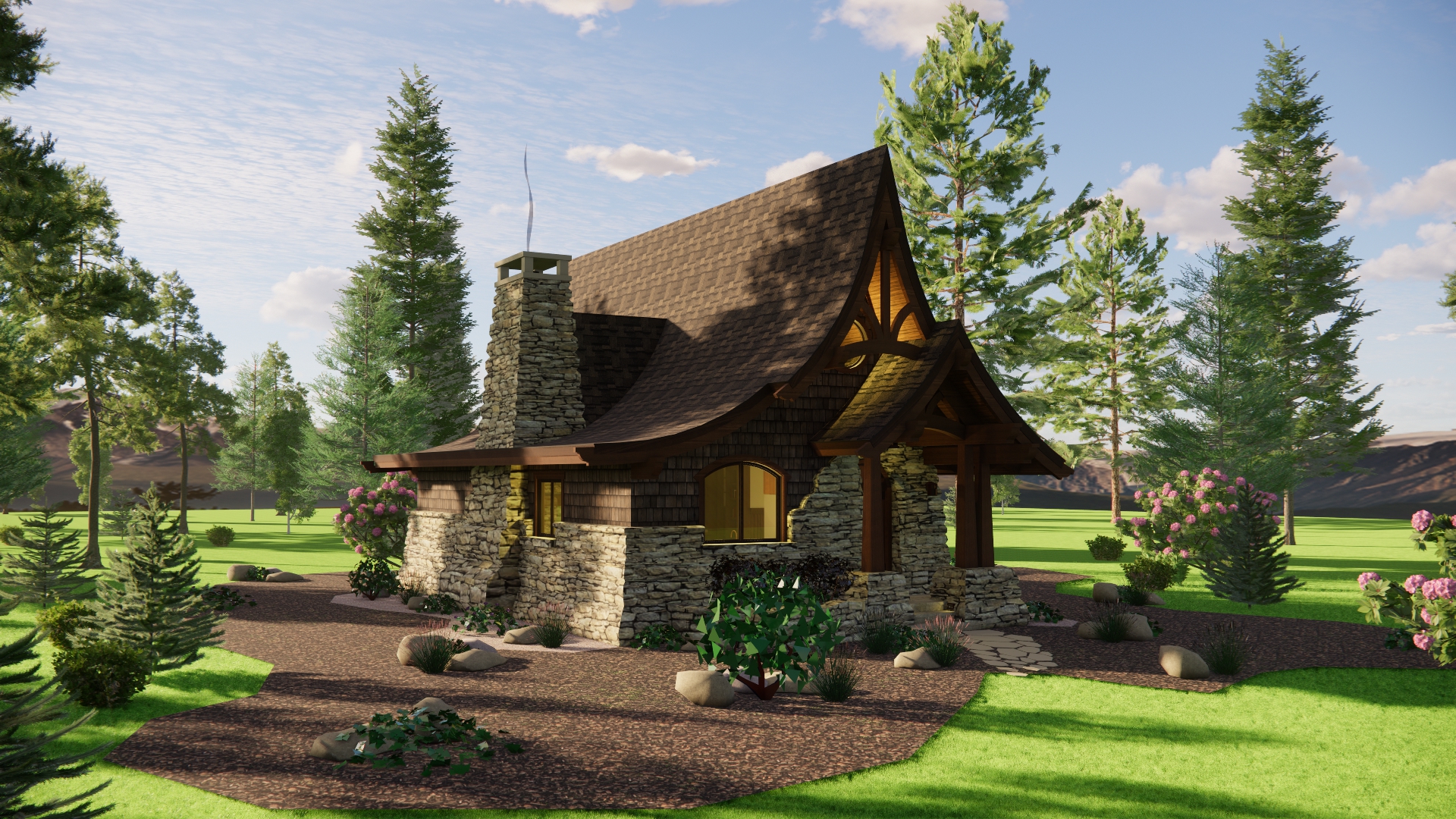
rchitectural visualization has come a long way, especially over the past couple of decades. Historically the only way for architects to present their designs was through hand drawings and physical models. Today, a wide range of 3D modeling and rendering software allows architects and designers to convey their ideas with far greater clarity which greatly enhances the client's understanding of the project.
In a world filled with subscriptions, 3D modeling and rendering software is no exception. Architects can choose from a range of modeling programs like Revit, Sketchup, Archicad, and Rhino, to numerous rendering software tools such as Enscape, Lumion, and V-ray. Each program has its strengths and limitations depending on how the model is being used. Some are user-friendly and very efficient to use in the early stages of design when ideas are flowing. Others are geared for detailed building information modeling (BIM) which is used between design disciplines to take a building all the way through construction. Rendering programs also vary in capability with some able to produce photo-realistic images and animations.
In house rendering has become a common practice in architecture and design firms. At Hendricks Architecture, we use Sketchup and Enscape which produce realistic still shots and walkthroughs. These visualizations are typically created during design development phase when the design is still evolving and being refined.
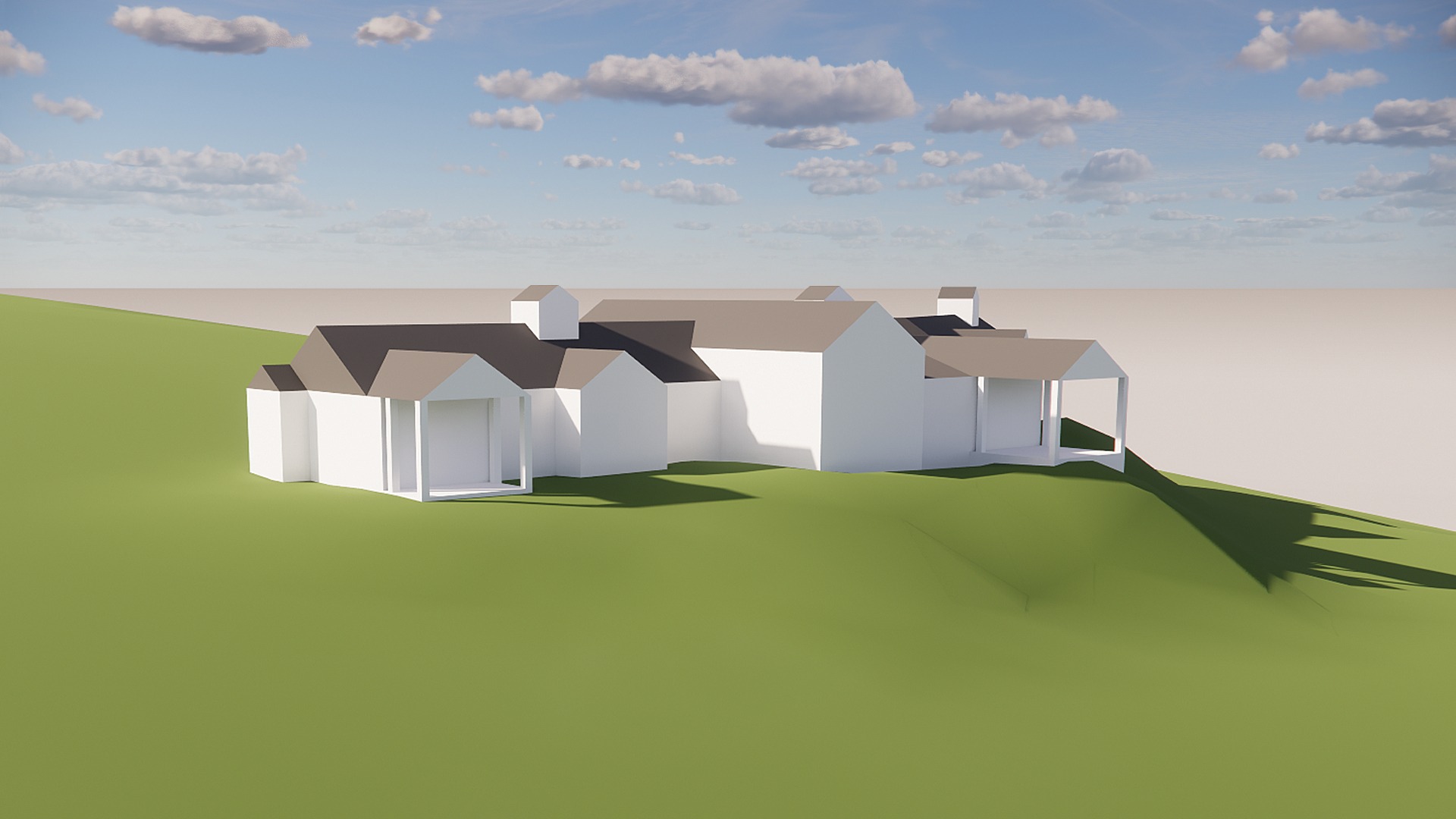
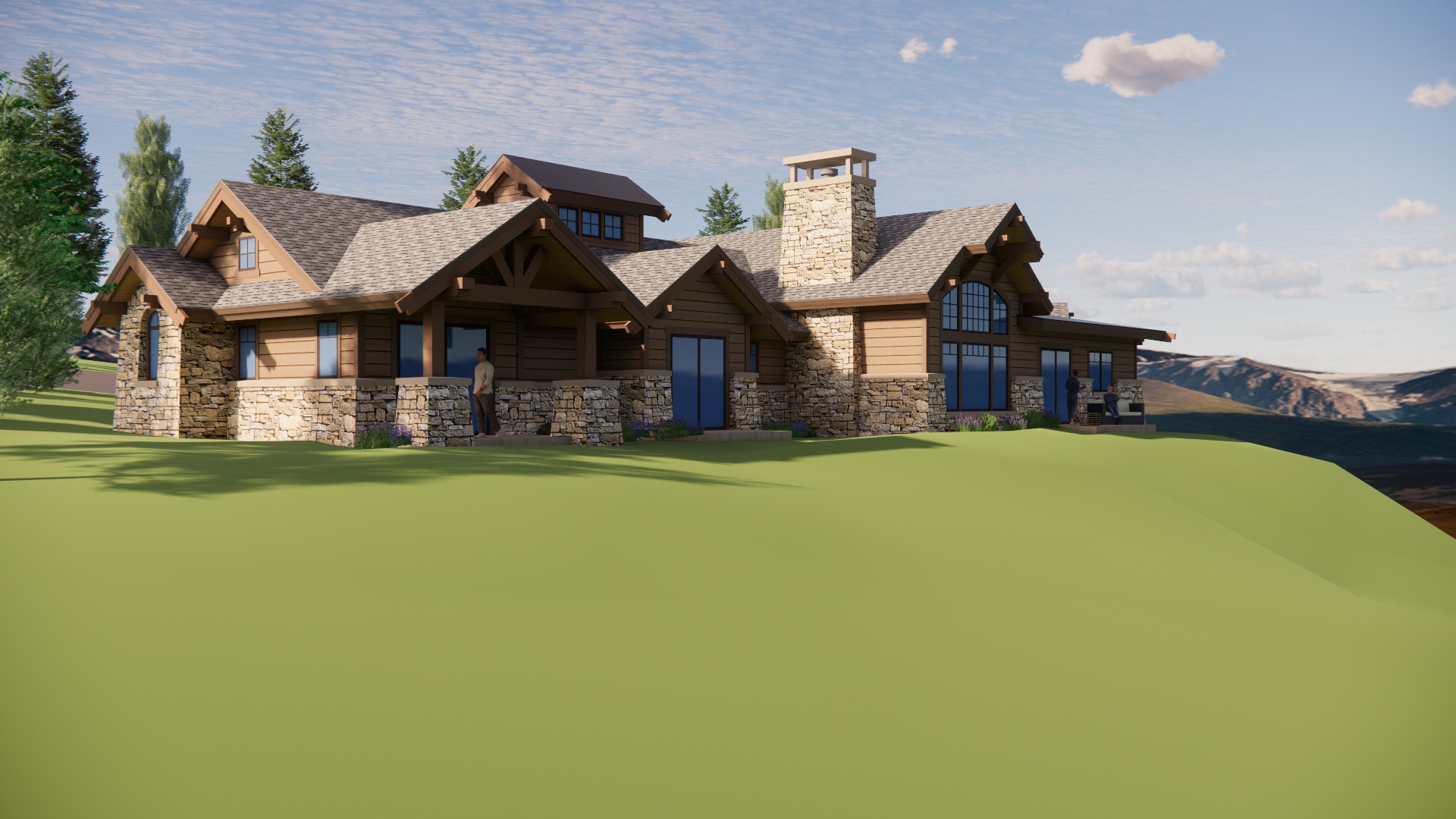
3D modeling provides the ability to quickly model and study building masses and forms to see how different components might fit together. As the design develops, window and door opening locations, roof slopes and overhangs, exterior materials, and other details can be added. Being able to view the design in 3D provides an opportunity early on to identify conflicts between elements that are not as readily apparent in 2D drawings, especially when complicated angles and roof designs are involved. For the client, it offers the opportunity to view the building's exterior from any angle and gain a better understanding of how the end result will look. The application of specific exterior material types and colors take the model to another level of realism and can easily be manipulated to showcase different color schemes and material combinations.
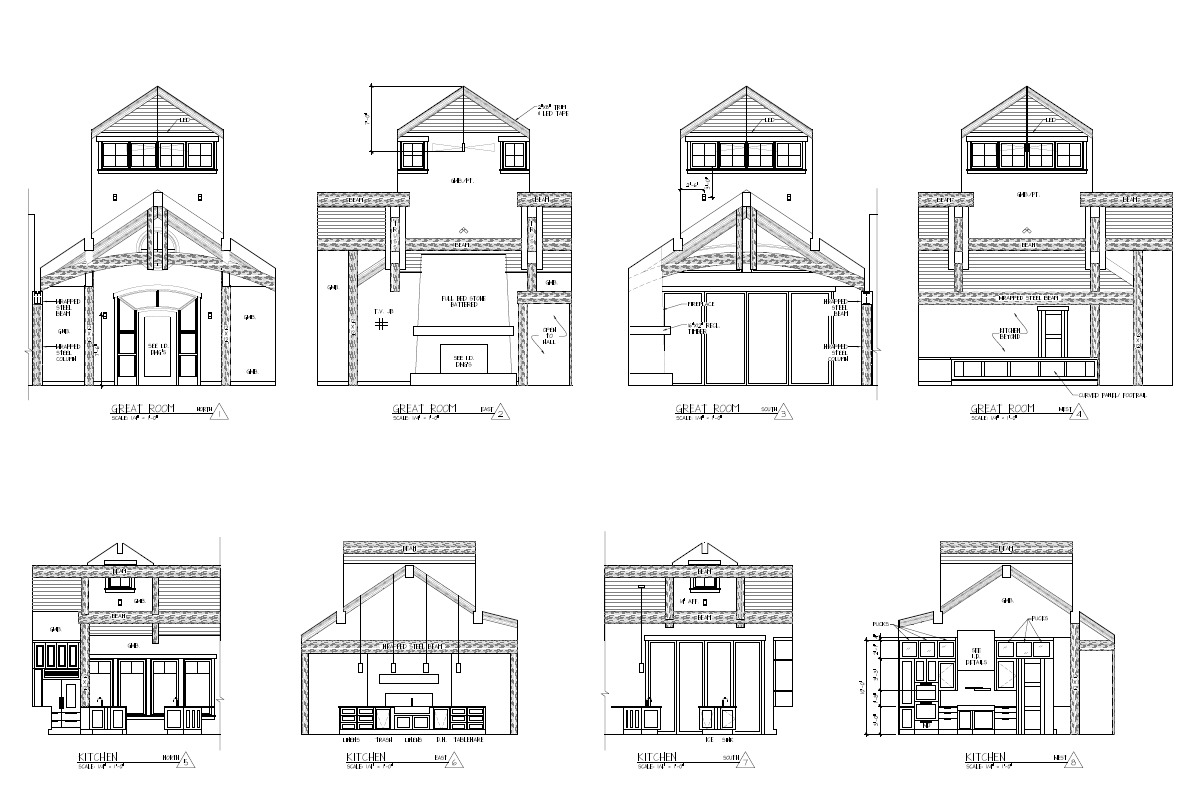
One of the major benefits of using 3D modeling during the design process is the capability to provide walk-throughs of interior spaces. Without this, clients are limited to viewing a series of 2D interior elevations and sections. While these drawings are an important part of the construction drawing package, it can be difficult for people to get a good sense of what a space will really be like. A 3D model can put everything together into a visual language that everyone can understand. Below is an example of comparing 2D interior elevations with a 3D walk-through of the same space.
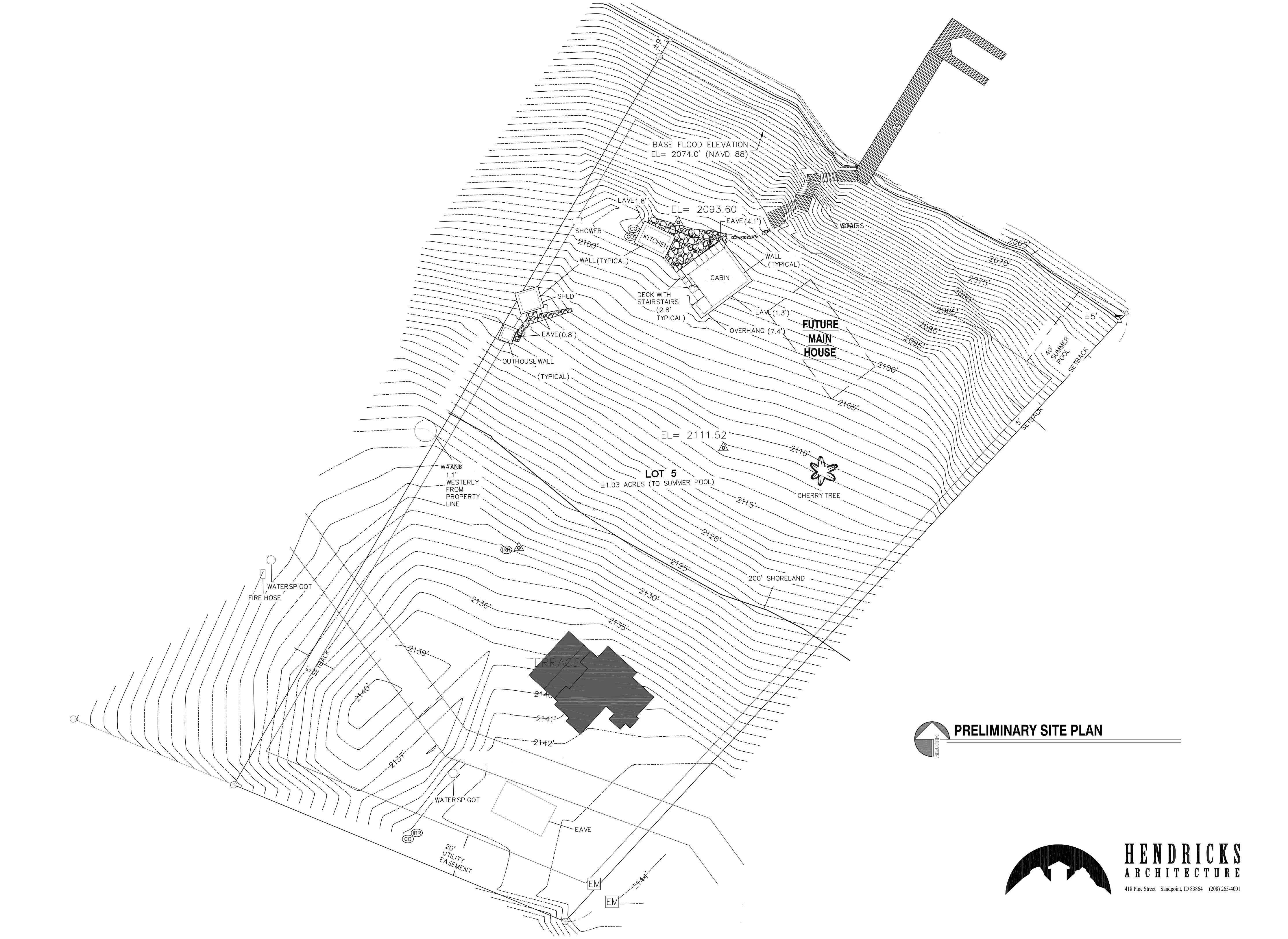
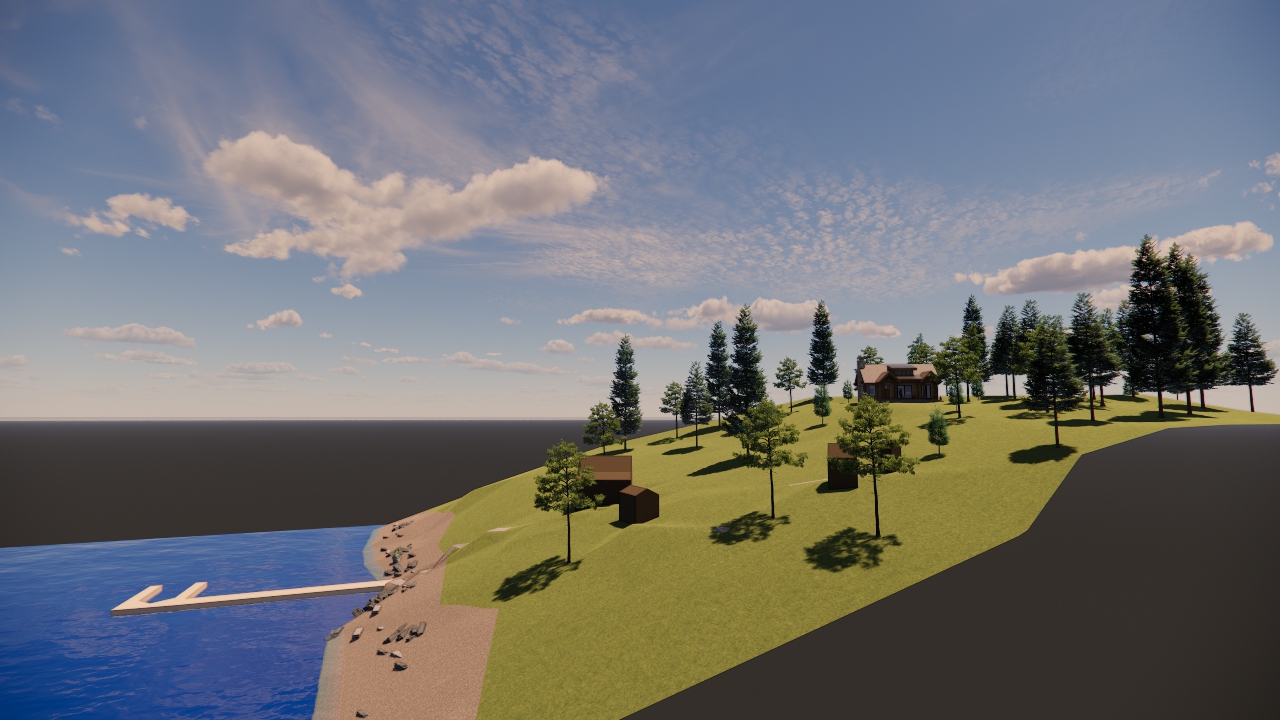
When modeling a proposed building, it is also important to show the site context. The process typically begins with a site survey done by a professional land surveyor. The survey can then be taken and modeled within SketchUp to create a true representation of the existing site. Next, the building is positioned on the site by taking into account multiple factors such as viewpoints, slope, site accessibility, and existing vegetation. The software then allows the designer to simulate sun paths, which can dictate where outdoor spaces and windows are located. Finally, vegetation such as trees, bushes, and flowers are added to enhance the natural landscape.
In conclusion, the evolution of architectural visualization has transformed the way designers communicate ideas and how clients engage with proposed projects. Modern 3D modeling and rendering tools offer an unprecedented level of clarity, flexibility, and realism. By integrating these technologies throughout the design process, architects can explore concepts more efficiently, resolve potential issues earlier, and present a more comprehensive and immersive vision of the final product. For our clients, this means a deeper understanding of both the building and its relationship to the site, ensuring that design decisions are informed, collaborative, and aligned with their goals. As visualization tools continue to advance, they will remain an essential component of thoughtful, effective architectural design.
Next blog: Prospect and Refuge


